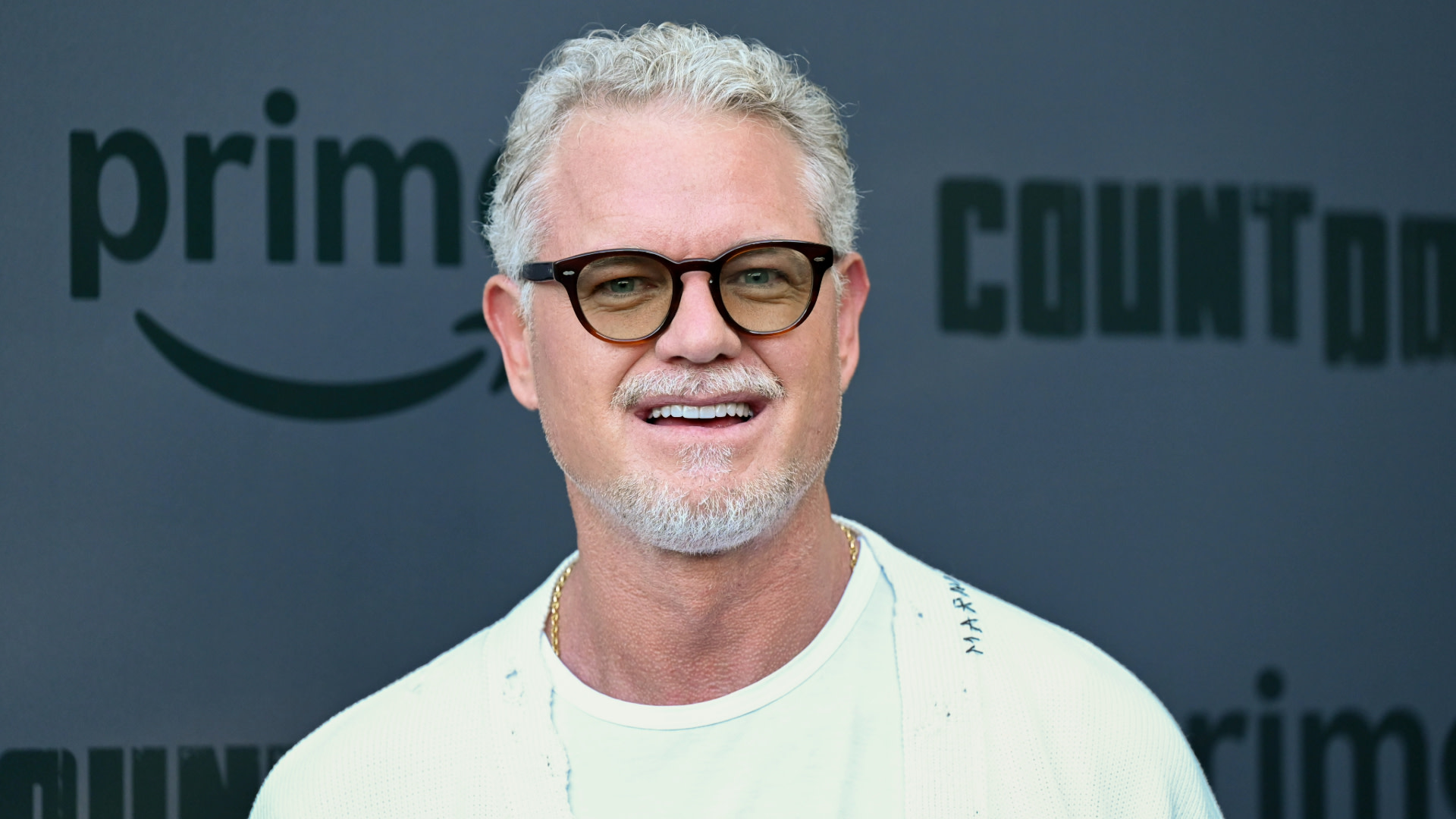
Shocking Allegations Surface: Was Eric Dane's Grey's Anatomy Exit Tied to Bullying Claims?
The passing of actor Eric Dane, widely known and beloved for his role as Dr. Mark "McSteamy" Sloan on the hit medical drama Grey's Anatomy, brought an outpouring of grief and heartfelt tributes from fans and former castmates alike. However, in the wake of his death, a startling and controversial claim emerged, threatening to cast a shadow over his legacy. A former background actress from Grey's Anatomy came forward with grave accusations, asserting that Eric Dane was a bully whose alleged mistreatment led not only to her own career struggles but also played a direct role in his departure from the show.
These explosive allegations have ignited a heated discussion online, contrasting sharply with the fond remembrances shared by many who worked alongside Dane. The claims raise critical questions about workplace dynamics, the power imbalances in Hollywood, and the complex nature of posthumous reputations.
The Extra's Explosive Claims: Unpacking the Eric Dane Bully Accusations
Laura Ann Tull, a background actress who states she worked on the set of Grey's Anatomy for three years, made headlines with her strong remarks following the announcement of Eric Dane's death. In a series of social media posts, Tull didn't mince words, describing Dane as "evil," a "coward," and an "a-hole." She alleged that he had "abused," "bullied," and "made fun of" her during her time on set, even claiming he did so when she was battling cancer and an autoimmune disease. Tull also labeled him a "stuck on himself narcissist."
What made her claims particularly attention-grabbing was her assertion regarding Dane's exit from the popular series. "I am why he was fired from Grey's," she wrote, claiming she had contacted production prior to his departure in 2012. Tull further suggested that Dane's alleged actions had long-term, detrimental effects on her career, stating, "His dying doesn’t change the destruction he caused me," and revealing she had once intended to pursue legal action.
Crucially, Tull acknowledged that she never spoke to Dane directly during her three years on set but stated she "did hear him talk about me." She described being labeled "weird" through a third party, contributing to her feeling pushed out of the industry. While her accusations are detailed and persistent, it's important to note that she has not publicly provided evidence to support her claim that she influenced Dane's departure from Grey's Anatomy.
Conflicting Narratives: How Other Castmates Remember Eric Dane
The accusations made by Laura Ann Tull stand in stark contrast to the numerous tributes offered by Dane's former Grey's Anatomy colleagues. Many actors who shared significant screen time with him, and formed close bonds, painted a picture of a kind, intelligent, and deeply human individual. These conflicting accounts highlight the complexities of workplace relationships and public perception, especially within the high-pressure environment of television production.
Chyler Leigh's Heartfelt Remembrance
Chyler Leigh, who played Lexie Grey, the love interest of Dane's character, Dr. Mark Sloan, for several seasons, shared a deeply emotional statement following his passing. She described the "devastating" news and praised Dane, saying, "Eric had a heart of gold. His humour and, especially, his laugh was infectious. He was a deeply intelligent man who could carry a philosophical conversation for hours even while we were on set. He was an amazing father and loved his girls FIERCELY. Incredibly passionate about his work and the causes he kept close to his heart." Her words reflect a profound respect and affection for her former co-star, offering a counterpoint to the negative allegations.
Kate Walsh's Tribute to a "Great Friend"
Kate Walsh, who portrayed Dr. Addison Montgomery and shared a complex on-screen history with McSteamy, also joined the chorus of praise. She highlighted Dane's "sensitivity and vulnerability, (and intelligence, of course)." Walsh added, "He had the gravitas & old soul that made his work magnetic and made him a great friend off set." These sentiments from those who worked closely with Dane offer a glimpse into a different side of the actor, one remembered for his depth and camaraderie, creating a truly conflicting narrative surrounding the Eric Dane bullying claims.
Understanding Eric Dane's Departure from Grey's Anatomy
Eric Dane's exit from Grey's Anatomy in 2012 was a significant event for the show, marking the end of the beloved character Dr. Mark Sloan. At the time of his departure, and in subsequent interviews, Dane himself addressed the reasons behind his decision to leave. He acknowledged dealing with personal issues, including struggles with prescription medication. However, he maintained that these personal challenges were not the primary drivers for his departure from the series.
His decision was largely framed as a desire to explore new acting opportunities and pursue different creative paths after several successful years on the show. This explanation stands in direct contrast to Laura Ann Tull's claim that she was instrumental in his firing. Public records and official statements from ABC or the show's production team have never indicated that Dane's departure was anything other than a mutual decision, or attributed it to workplace misconduct allegations.
The discrepancy between official narratives and Tull's claims underscores the difficulty in dissecting past events, particularly when relying on individual accounts that lack corroborating public evidence. While personal struggles can certainly impact an individual's professional life, Dane's own statements suggest a more autonomous decision-making process regarding his career transition post-Grey's Anatomy.
Navigating Workplace Dynamics and Allegations in Entertainment
The entertainment industry, by its very nature, involves complex power dynamics and a hierarchical structure that can sometimes lead to uncomfortable or even toxic environments. The claims made by Laura Ann Tull, regardless of their verifiable truth, highlight important discussions about workplace conduct on set, particularly concerning background actors who often have limited interaction with main cast members but are integral to a production.
Challenges for Background Actors
- Limited Voice: Background actors often have less direct access to production leadership compared to main cast or crew, making it harder to report issues or feel heard.
- Power Imbalance: A significant power disparity exists between established actors and extras, which can make a background actor feel vulnerable to mistreatment without recourse.
- Indirect Interactions: As Tull's case suggests, alleged bullying can occur indirectly, through whispers, glances, or third-party remarks, which can be psychologically damaging but harder to document or prove.
Creating a Respectful Set Environment
For any production, fostering a culture of respect and clear communication is paramount. Practical tips for creating a healthier workplace include:
- Clear Reporting Channels: Establishing well-publicized and accessible channels for reporting harassment or misconduct, with assurances of anonymity and non-retaliation.
- Code of Conduct: Implementing a clear code of conduct for all cast and crew, emphasizing professional behavior and respect for everyone, regardless of their role.
- Leadership by Example: Encouraging lead actors and directors to set a positive tone and intervene if they witness or hear about disrespectful behavior.
- Open Communication: Promoting an environment where individuals feel safe to voice concerns without fear of reprisal, fostering trust across all levels of production.
These measures are not just about preventing serious allegations; they're about ensuring a productive and positive atmosphere where creativity can thrive without fear or discomfort.
Conclusion
The claims made by former Grey's Anatomy extra Laura Ann Tull regarding Eric Dane and alleged bullying on set have undoubtedly cast a controversial light on the actor's post-mortem legacy. Her persistent accusations of mistreatment and her belief that she influenced his departure from the show present a stark contrast to the heartfelt tributes offered by his co-stars like Chyler Leigh and Kate Walsh, who remembered him as kind, intelligent, and deeply loved. While Tull's claims are significant, it is important to reiterate that she has not publicly provided evidence to substantiate her role in Dane's exit, which Dane himself attributed to personal issues and a desire for new career opportunities. The conflicting narratives highlight the complexities of workplace dynamics in Hollywood and the profound impact of individual experiences and perceptions. Ultimately, without further corroboration, these allegations remain an unresolved chapter in the broader story of Eric Dane's life and career.